


Warehousing & Logistics FAQs
Explore answers to frequently asked questions about industrial warehousing, rail transloading, outdoor storage, railcar storage, and Foreign-Trade Zone services. Learn how Adams Industries supports efficient freight movement, flexible storage, and industrial supply chain operations.
Industrial Warehousing & Outdoor Storage
Adams Industries provides industrial warehousing and outdoor storage for businesses in agriculture, oil and gas, renewable energy, building materials, manufacturing, distribution, and heavy construction. Storage and handling plans are tailored to the products, delivery schedules, and project requirements of each customer.
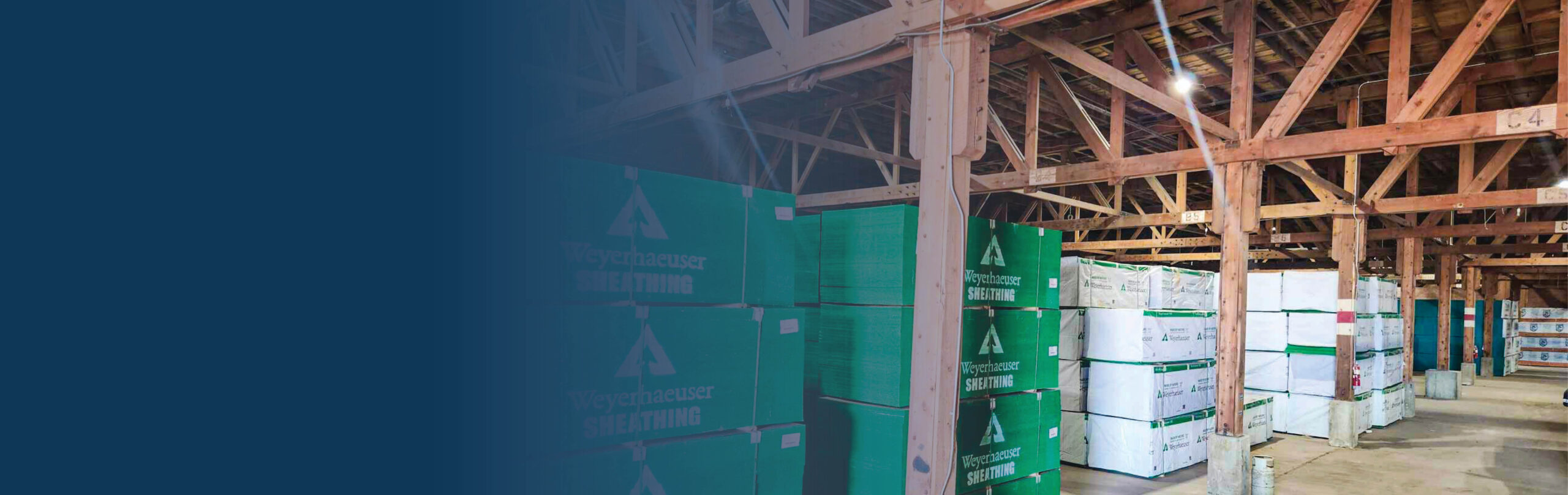
Yes. Our Sidney, Nebraska, facility offers 600,000 square feet of indoor warehouse space, along with outdoor storage options across our 800+ acre industrial site. Indoor storage accommodates weather-sensitive inventory, while outdoor laydown areas support suitable equipment, bulk materials, and oversized products.
Yes. Adams Industries supports storage and handling for oversized equipment, machinery, pipe, steel, and other dimensional materials. Our team reviews each product’s weight, dimensions, and handling requirements to determine the appropriate equipment, storage location, and loading plan.
Inventory tracking helps document products received, materials in storage, and outbound shipments. Before storage begins, discuss your reporting needs with our warehousing team, including inventory updates, shipment records, and any customer access requirements.
A staging yard holds materials or equipment temporarily before delivery to a customer or job site. It supports scheduled shipments and shorter turnaround times.
A laydown yard provides outdoor space for materials and equipment held between project phases or for longer periods. Common uses include storing pipe, steel, construction equipment, and renewable energy components.
Warehousing pricing depends on the amount of space required, storage duration, product characteristics, and handling needs. Common charges include:
- Storage: Based on pallets, square footage, acreage, or dedicated space.
- Inbound and outbound handling: Charges for unloading, receiving, retrieving, and loading products.
- Additional services: Charges for specialized equipment, labor, or product preparation.
Request a quote based on your inventory volume, shipment schedule, and storage requirements.
Depending on the facility, value-added warehousing services may include kitting, repackaging, labeling, barcoding, cross-docking, and container loading or unloading. These services help prepare inventory for distribution or project delivery. Ask our team which options are available for your products and location.
Foreign-Trade Zone (FTZ)
A Foreign-Trade Zone (FTZ) is a designated U.S. location where eligible merchandise can be handled under special customs procedures. For customs entry purposes, merchandise admitted under FTZ procedures is generally treated as outside U.S. customs territory.
Businesses can store and perform approved activities on merchandise while deferring applicable import duties until it enters the U.S. market. Production activities require separate authorization.
Many foreign and domestic products can be admitted to an FTZ, including industrial components, machinery, automotive parts, raw materials, and finished goods. Eligibility depends on the merchandise, applicable regulations, and the facility’s authorization. Prohibited merchandise cannot be admitted, and certain products require additional approvals or handling controls.
Yes. U.S. businesses that import, distribute, manufacture, or re-export products may benefit from FTZ procedures. Potential advantages include:
- Duty deferral: Delay applicable import duty payments until merchandise enters the U.S. market.
- Export-related duty savings: Eligible merchandise exported directly from an FTZ may avoid U.S. import duties, subject to applicable rules.
- Potential duty reductions: Certain authorized production operations may qualify for a lower finished-product duty rate, depending on merchandise status and tariff requirements.
- Streamlined customs processing: Approved weekly entry procedures may reduce entry filings and Merchandise Processing Fees.
Benefits depend on the products, trade requirements, authorized activities, and operating costs.
Rail Services & Railcar Storage
Rail transloading transfers products between railcars and trucks, sometimes using warehouse or yard storage between moves. It combines long-distance rail transportation with local truck delivery, giving businesses access to rail shipping even when their facilities do not have a rail connection.
Rail transloading can accommodate bulk materials, building products, industrial equipment, and packaged goods. Common examples include fertilizer, grain, sand, cement, lumber, pipe, steel coils, and machinery. Handling requirements depend on the product, railcar type, and equipment available at the transloading facility.
Rail shipping can lower transportation costs for large volumes of freight moving over longer distances. A railcar can carry multiple truckloads of material, depending on the commodity and weight limits. Total savings depend on rail rates, transloading costs, storage needs, and the distance required for final truck delivery.
Railcar storage provides designated track space to hold loaded or empty railcars until they are needed. Switching moves railcars between arrival tracks, storage tracks, and loading or unloading areas. Coordinating these services with delivery schedules can improve product flow and help manage potential demurrage exposure. Charges depend on railroad agreements, timing, and applicable storage terms.
Transloading Services
Transloading transfers products between transportation modes during shipment. In a rail-to-truck operation, materials are unloaded from railcars and transferred to trucks for delivery, either directly or after temporary storage. The process connects rail transportation with customers and job sites that do not have direct rail access.
Transloading typically transfers products between different transportation modes, such as railcars and trucks. It may involve bulk material handling, specialized equipment, or temporary storage.
Cross-docking moves products from inbound transportation to outbound transportation with little or no storage. It commonly involves sorting and transferring palletized goods between trucks.
Rail-to-truck transloading helps businesses:
- Manage transportation costs: Combine long-distance rail shipping with shorter truck deliveries.
- Reach more destinations: Serve facilities without a rail spur.
- Coordinate delivery schedules: Hold materials in storage and release them as needed.
- Support large shipments: Move bulk products and industrial materials through a coordinated rail and truck network.
Transloading facilities handle a wide range of products, depending on their equipment and capabilities. Examples include:
- Dry bulk materials: Fertilizer, grain, sand, cement, and plastic pellets.
- Liquid bulk products: Oils, liquid fertilizers, and certain chemicals.
- Industrial materials: Lumber, pipe, structural steel, and steel coils.
- Equipment and packaged products: Machinery, supersacks, palletized goods, and bundled materials.
Contact the transloading team to confirm handling requirements for your specific product.
Transloading equipment depends on the material’s weight, dimensions, packaging, and handling requirements. Forklifts and cranes handle packaged products and heavy materials. Conveyors and pneumatic systems transfer certain dry bulk products, while pumps and hoses handle compatible liquids. Equipment selection also accounts for safety, product protection, and any specialized handling requirements.
Common railcar types include:
- Boxcars: Packaged freight, paper products, and palletized goods.
- Covered hoppers: Dry bulk products that need protection from weather.
- Open-top hoppers and gondolas: Aggregates, scrap metal, and other suitable bulk materials.
- Flatcars and centerbeams: Lumber, pipe, steel, and certain oversized loads.
- Tank cars: Liquid products requiring specialized containment and transfer equipment.
The appropriate railcar depends on the commodity and loading or unloading requirements.